
Quick Answer
Hot-dip galvanized steel with a suitable powder topcoat can be a useful outdoor specification. Compare it with the actual aluminum alloy, profile and finish required for the same job. Neither material is automatically the best choice for every environment or structural design.
At a Glance
| Steel option | Specify the steel grade, section, hot-dip galvanizing and compatible powder system. |
|---|---|
| Aluminum option | Specify the alloy, temper, section, surface finish and connections. |
| Corrosion comparison | Assess exposure, drainage, dissimilar-metal contact and coating maintenance. |
| Performance comparison | Use the actual component design, drawings and applicable test evidence. |
Sources: [1] Andy Lee — Galvanized + Powder Coated Steel vs. Aluminum[2] American Galvanizers Association — Duplex Systems[3] Hydro — How to Prevent Aluminium Corrosion
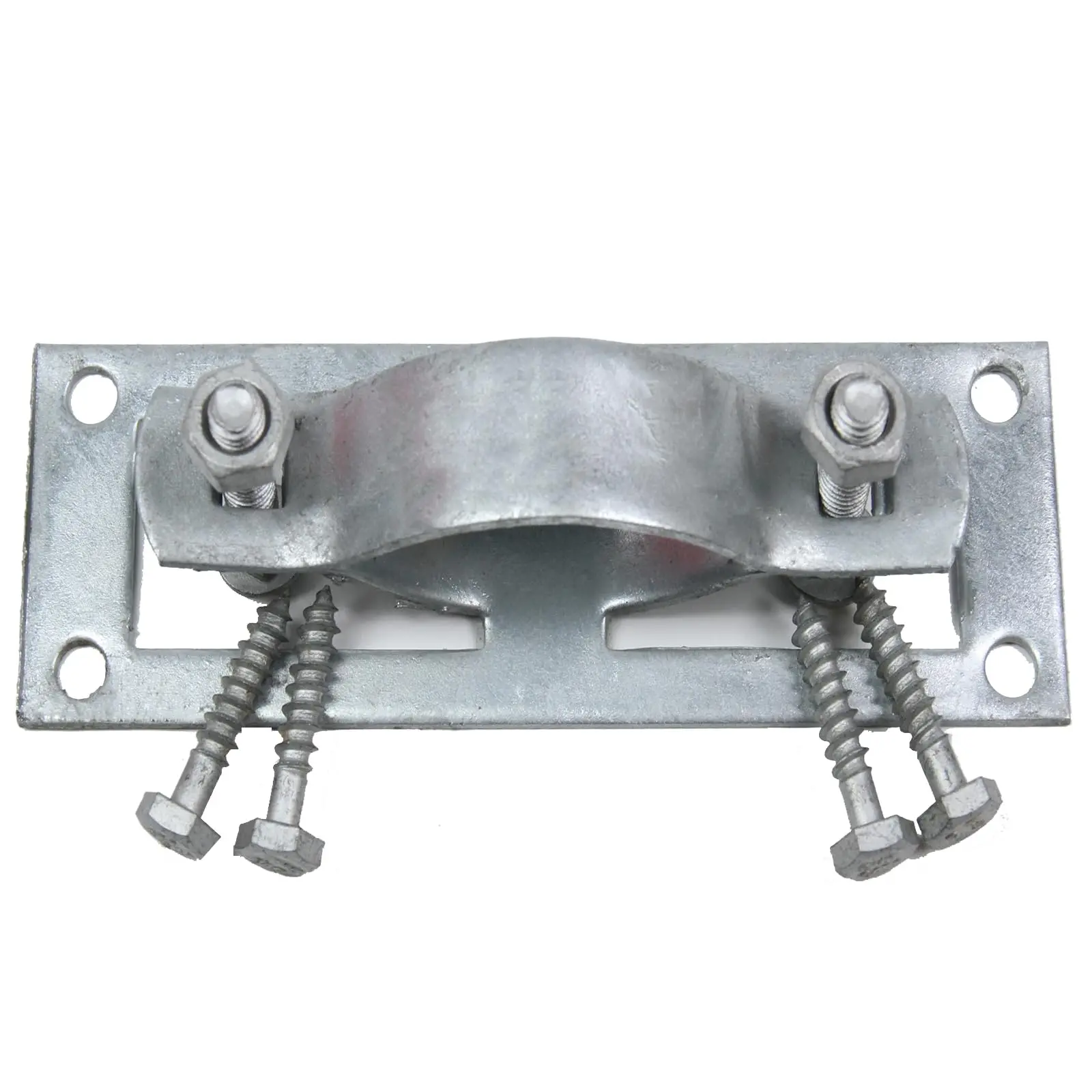
Why the original post favored coated steel
My LinkedIn post highlighted galvanized and powder-coated steel as an option for fencing, livestock panels, industrial structures, utility enclosures and architectural projects. The appeal was a combination of structural design flexibility, a protective coating system and a chosen surface color.
For a project specification, those advantages need context. Strength, stiffness, corrosion performance and value cannot be decided from the material name alone. Compare the complete components and the requirements they must meet.
Sources: [1] Andy Lee — Galvanized + Powder Coated Steel vs. Aluminum
What the duplex coating system adds
The American Galvanizers Association describes a duplex system as hot-dip galvanized steel with a paint or powder topcoat. Successful application depends on coordination between the galvanizer and coating supplier, suitable surface preparation and the selected coating system.
Specify both layers when that is the intended requirement. A product described only as powder coated does not necessarily have hot-dip galvanizing underneath. A general description of duplex protection also does not establish a service life for a particular bracket.
Sources: [2] American Galvanizers Association — Duplex Systems
Aluminum also needs an application-specific specification
Hydro describes aluminum as corrosion resistant in many environments, while identifying risks from chloride exposure, unfavorable pH, stagnant moisture and contact with other metals. Design and exposure matter for aluminum as well as for coated steel.
Aluminum should not be dismissed as having only a metallic appearance: surface treatments include anodizing, painting and coating. Compare the specified finish on each proposed component, rather than a finished steel part with an unspecified aluminum alternative.
Compare the same job, not just the raw material
Ask suppliers to work from the same dimensions, connection requirements, exposure conditions and acceptance criteria. A lower material price does not by itself establish a lower installed or maintained cost.
The following is a practical purchasing checklist, not a load rating or a durability guarantee.
- Identify the required loads, deflection limits and connection details.
- Compare grade or alloy, section geometry and the finished component weight.
- Specify coating preparation, finish, inspection and repair requirements.
- Describe the installation environment, drainage and adjacent metals.
- Compare fabrication, finishing, transport, installation and maintenance costs.
Keep the recommendation tied to evidence
Our original recommendation is a starting point for a project discussion. The right choice depends on the completed design and service conditions. Request evidence for the exact proposed product before assigning a structural capacity, corrosion rating or maintenance interval.
This article expands the original short comparison and clarifies its scope. It makes no universal claim that coated steel outperforms all aluminum products.
Common Questions
Is galvanized and powder-coated steel always more corrosion resistant than aluminum?
No universal comparison is established here. The alloy or steel grade, complete finish, environment, drainage and maintenance all affect the result.
Can aluminum be supplied in a colored finish?
Yes. Aluminum may be anodized, painted or coated. Confirm the finish, preparation and suitability of the exact product.
Does this article provide a load capacity or an outdoor service life?
No. Those require evidence tied to the component design, manufacturing specification, installation and exposure conditions.
Sources & Further Reading
- Andy Lee — Galvanized + Powder Coated Steel vs. Aluminum ↗Checked
- American Galvanizers Association — Duplex Systems ↗Published · Checked
- Hydro — How to Prevent Aluminium Corrosion ↗Published · Checked