
Quick Answer
Finding a defective part is only the first step. Quality control also needs clear acceptance criteria, separation of rejected material and incentives that support reporting problems instead of only rewarding the number of pieces packed.
At a Glance
| Observed in the original post | Employees identified and removed rejected galvanized parts. |
|---|---|
| Issue discussed | Parts touching or sticking together during hot-dip galvanizing |
| Management lesson | Packing-volume incentives can conflict with careful rejection decisions. |
| Release decision | Use the agreed inspection requirements and confirm any corrective work before release. |
Sources: [1] Andy Lee — Original Galvanizing Quality-Control Post and Video[2] American Galvanizers Association — Inspection of Hot-Dip Galvanized Finish
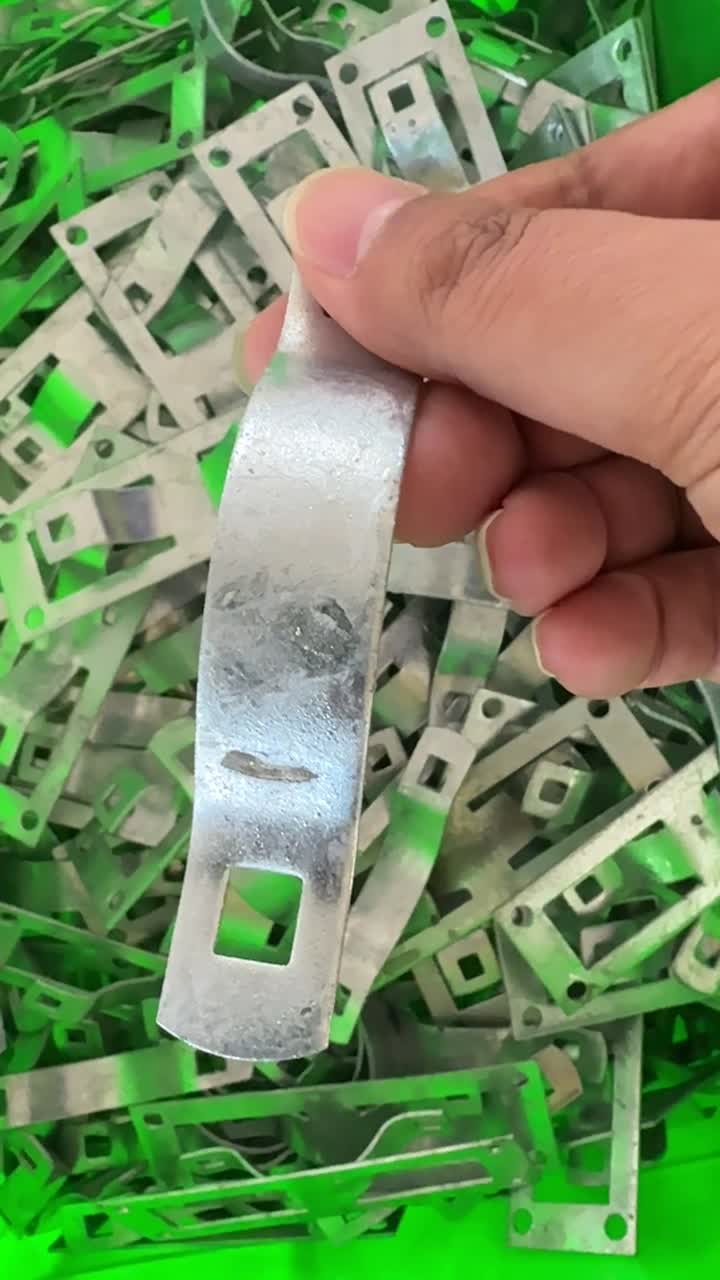
What the original video records
The original LinkedIn post shows parts that our employees had identified and removed as rejects. I used the example to discuss parts sticking together during hot-dip galvanizing, and the importance of recognizing and separating problem pieces.
The clip is a record of an inspection issue being raised. It does not establish the defect rate for a production batch or the result of every subsequent corrective action.
Sources: [1] Andy Lee — Original Galvanizing Quality-Control Post and Video
Why a contact mark needs a proper assessment
The American Galvanizers Association explains that contact between parts during galvanizing can leave touch marks, coating damage or uncoated areas. A finish assessment considers both corrosion protection and whether the component remains suitable for its intended use.
Not every visual variation requires the same decision. The agreed specification, the affected area and the intended function determine whether the part is acceptable, repairable or requires further corrective processing. Any corrective work needs the appropriate reinspection.
Sources: [2] American Galvanizers Association — Inspection of Hot-Dip Galvanized Finish
The incentive problem behind an inspection problem
In my post, I explained that defects had sometimes been overlooked when employees were paid according to the number of products they packed. If the same person is rewarded only for throughput and is also expected to stop work to reject parts, the system can pull in two directions.
The lesson is not simply to ask people to look harder. Inspection responsibilities, rejection decisions and production incentives need to support the same quality objective.
Sources: [1] Andy Lee — Original Galvanizing Quality-Control Post and Video
A practical approach for the inspection and packing stages
The following is a management checklist derived from the issue, rather than a claim that a new system has already produced a measured improvement.
- Define acceptance criteria and examples before inspection starts.
- Keep rejected or questionable parts separate from accepted stock.
- Make the release decision clear, with a second check when needed.
- Record the reason for rejection and review recurring patterns with production.
- Recognize the identification of defects alongside output, rather than measuring packing quantity alone.
What a buyer should look for
Ask how nonconforming material is identified, held, corrected and released. A useful quality discussion connects a specific issue to the relevant batch, agreed acceptance requirements and evidence of reinspection.
A factory video can open that discussion. It should not replace the inspection records needed for the product being supplied.
Common Questions
Are all visible marks on galvanized steel defects?
No. Assessment depends on the effect on coating protection, the intended use and the agreed specification. A purely cosmetic difference and an issue that prevents assembly may need different decisions.
Can parts that were rejected be packed after repair?
Only after the corrective process and reinspection required by the agreed acceptance criteria have been completed. The video alone does not show that release decision.
What is the main management lesson?
Create clear quality responsibilities and incentives that support reporting and isolating problems, alongside productive output.